Valuation Guide
How to read a transformer nameplate
The nameplate is the difference between a real offer and a shrug. Ten fields, one photo, and a buyer can price your unit without ever visiting the site.
What each field tells a buyer
The ten fields that matter
Nameplate content is standardized by the IEEE C57 family, which is why plates from different manufacturers and different decades carry broadly the same information in broadly the same places. Not every plate has all ten — send what yours has.
kVA rating
Sets the capacity class and the replacement cost the unit competes against.
Primary voltage (HV)
Determines which systems the unit can be redeployed on.
Secondary voltage (LV)
Together with the primary, defines the resale pool.
Phase
Single-phase and three-phase serve different markets.
Manufacturer and serial number
Identifies build quality and lets a buyer trace specifications.
Year of manufacture
Drives both resale value and whether PCB screening is likely to be needed.
Fluid type / gallons
Mineral oil, FR3, or silicone changes handling, freight, and compliance.
Winding material
Copper or aluminum, when stated, materially changes value.
Impedance (%Z) and taps
Affects which applications the unit can drop into without redesign.
Weight
Sets freight cost and, for scrap, the number your payout is calculated from.
Where the plate lives
By transformer type
Padmount
Inside the compartment door, usually on the low-voltage side. Many units also carry a plate on the outside of the cabinet.
Polemount
On the side of the tank, often stamped or riveted. Frequently readable from the ground with a zoom lens — do not climb.
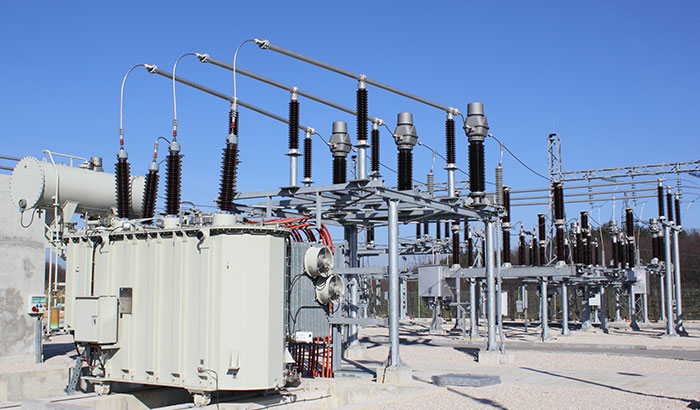
Substation / unit substation
Bolted to the tank wall near the control cabinet, sometimes behind a hinged cover.
Dry-type
Inside the enclosure door or on the front panel of the housing.
Never open an energized unit or climb a pole to reach a plate. If the unit is still in service, wait for the outage or send us what you can read from a safe distance.
Photographing it
Five things that make a plate legible
- Shoot straight on, not at an angle — stamped plates go unreadable when the light rakes across them.
- Wipe off dust and oil film first. A damp rag recovers most old plates.
- Turn the flash on for a plate inside a cabinet, then take a second shot without it; one of the two will be legible.
- If the plate is painted over or corroded, photograph it anyway and add whatever you know in writing.
- Include one wide shot of the whole unit and one of any visible damage, leak, or missing bushing.
Got the photo? That is the whole ask.
One nameplate photo, one wide shot, your location, and the quantity. That is enough for a written offer in most cases — usually the same business day.
Sources
- [1]IEEE Std C57.12.00 — Standard for Liquid-Immersed Distribution, Power, and Regulating Transformers — The standard governing general requirements and nameplate content for liquid-immersed transformers
- [2]IEEE Std C57.12.01 — Standard for Dry-Type Distribution and Power Transformers — The equivalent standard covering dry-type transformer requirements and nameplates